Mascot Schoolsmart
Index 001 — Cotton Rich

Start with
the fibre.

Every Mascot uniform is specified from its cloth outward. Browse the fabric before you browse the garment — school or corporate, the index is the same. Every cloth we cut is Cotton Rich: cotton for comfort, blended for the life a uniform actually leads.

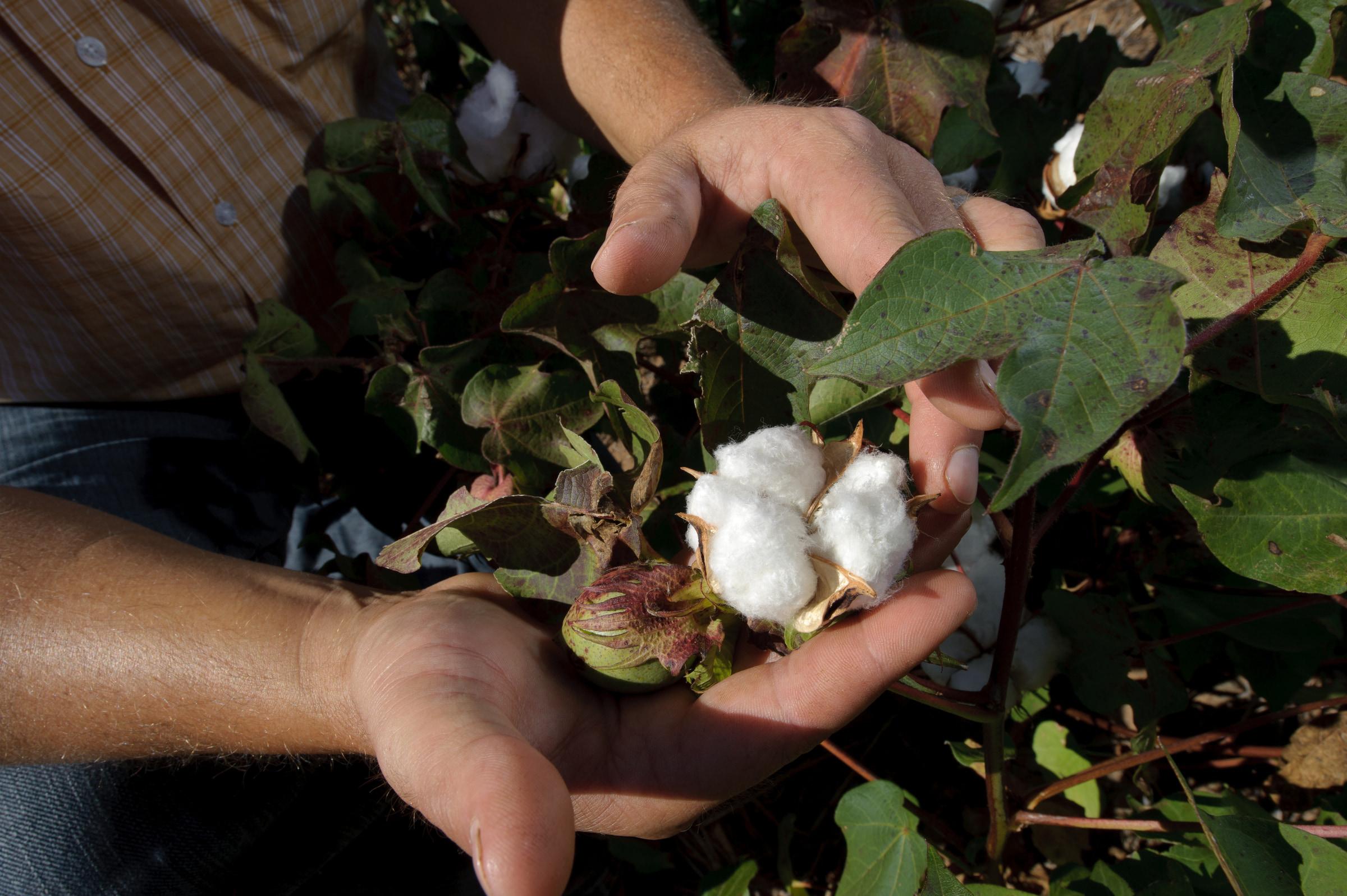
A cotton boll opened in the hand, before any of it is cloth

What Cotton Rich means

Mostly cotton. Honestly blended.

Pure cotton is comfortable, but it shrinks, creases and fades under a school or hotel wash cycle. Cotton Rich keeps the comfort and adds the strength a uniform needs.

01
Cotton next to the skin
Cotton is the larger share of every cloth we cut — cotton and polyester, cotton dominant — so a uniform breathes, stays soft and is kind to skin through a full day in the heat.
02
Blended for the wash cycle
A smaller share of polyester keeps the garment in shape — less shrinkage, fewer creases, faster drying and colour that lasts the season.
03
The ratio on the label
We do not call it pure cotton, because it is not. Each cloth's exact cotton-to-polyester ratio is on the swatch, the garment label and the invoice.

House colours

One knit, the whole range

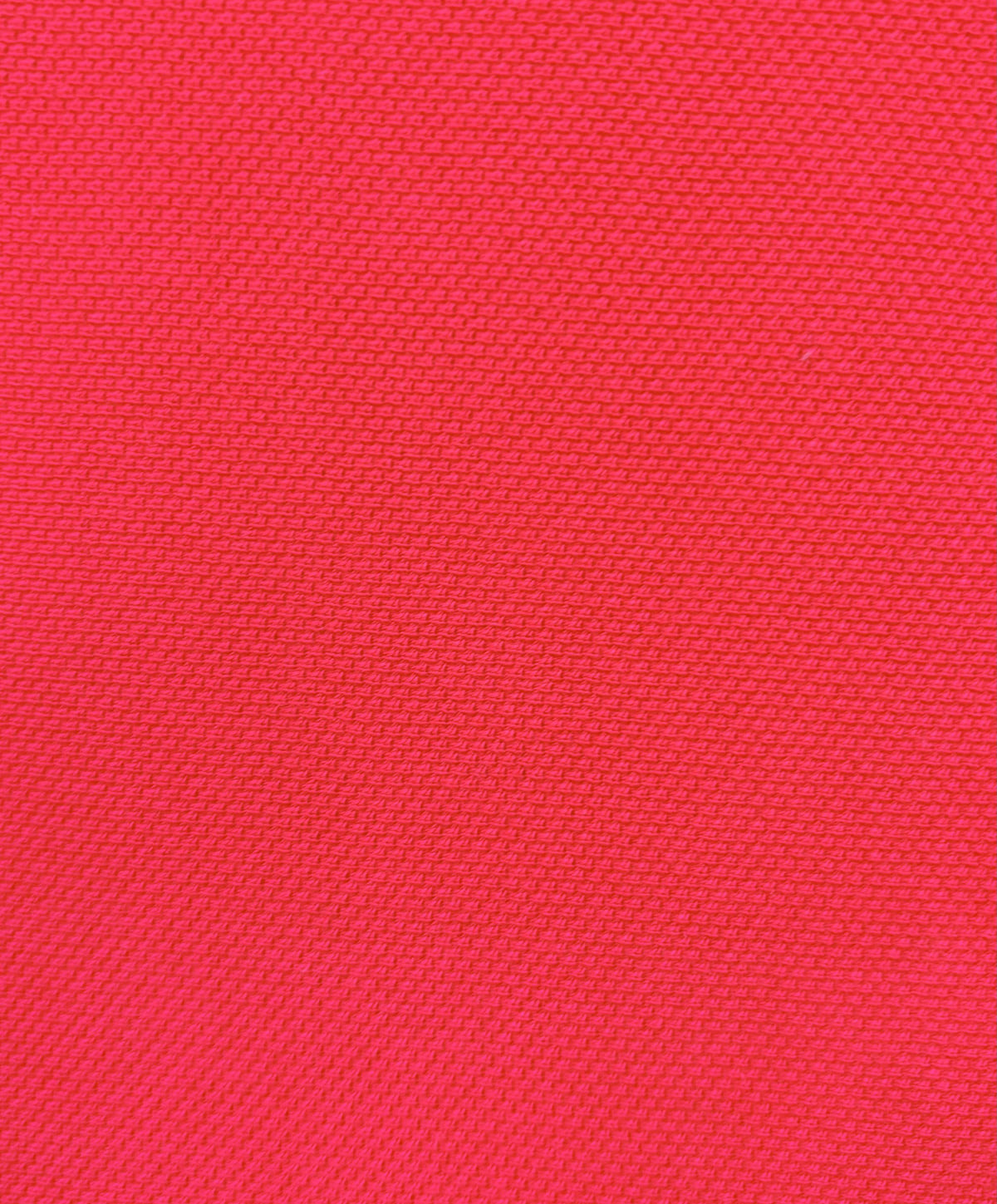
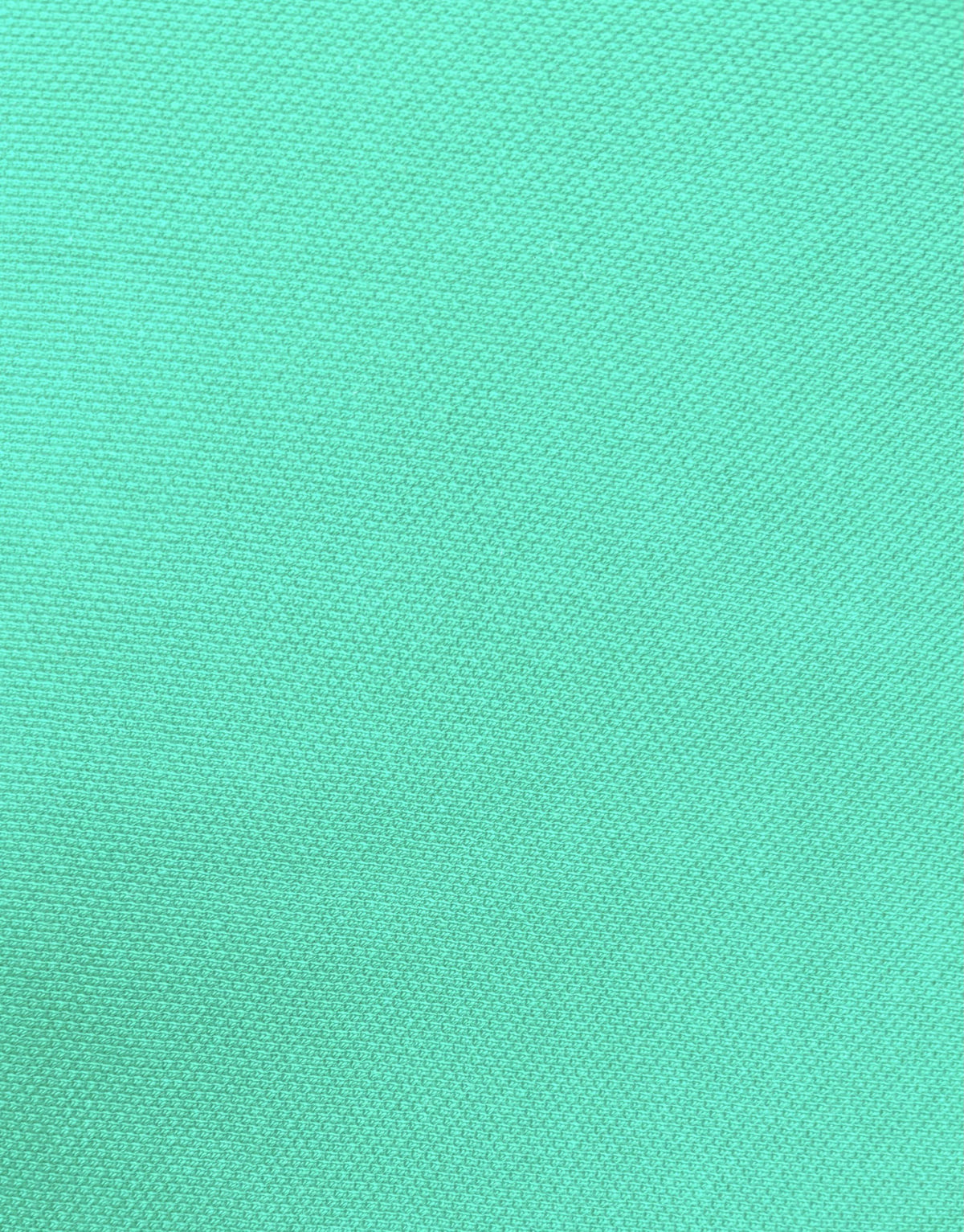
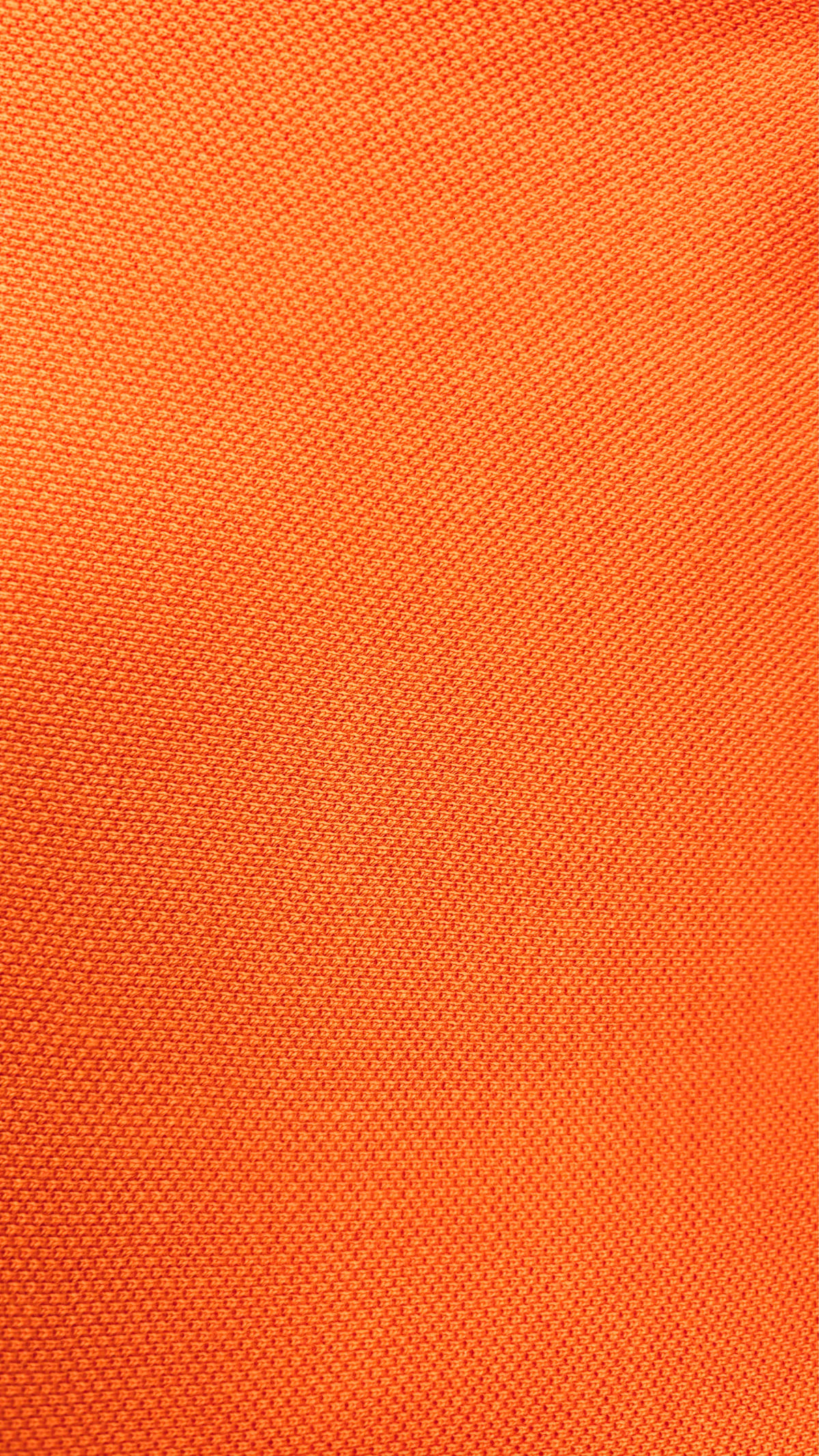
The same 180 gsm knit as index 003, photographed on one light so the shades can be read against each other. Every one is matched to a physical lab dip before a garment is cut.

The house knit in a gold

Gold

The house knit in a lime

Lime

The house knit in a red

Red

The house knit in a royal

Royal

The house knit in a jade

Jade

The house knit in a orange

Orange

001

Shirting cloth

Cotton and polyester blend · 120 gsm

Shirts for school and formal corporate. Crisp, cool, holds a press.

The same knit in a house gold, finer and flatter
002

Trouser cloth

Cotton and polyester blend · 240 gsm

Trousers, pinafores and skirts. Takes a hard wash cycle without thinning.
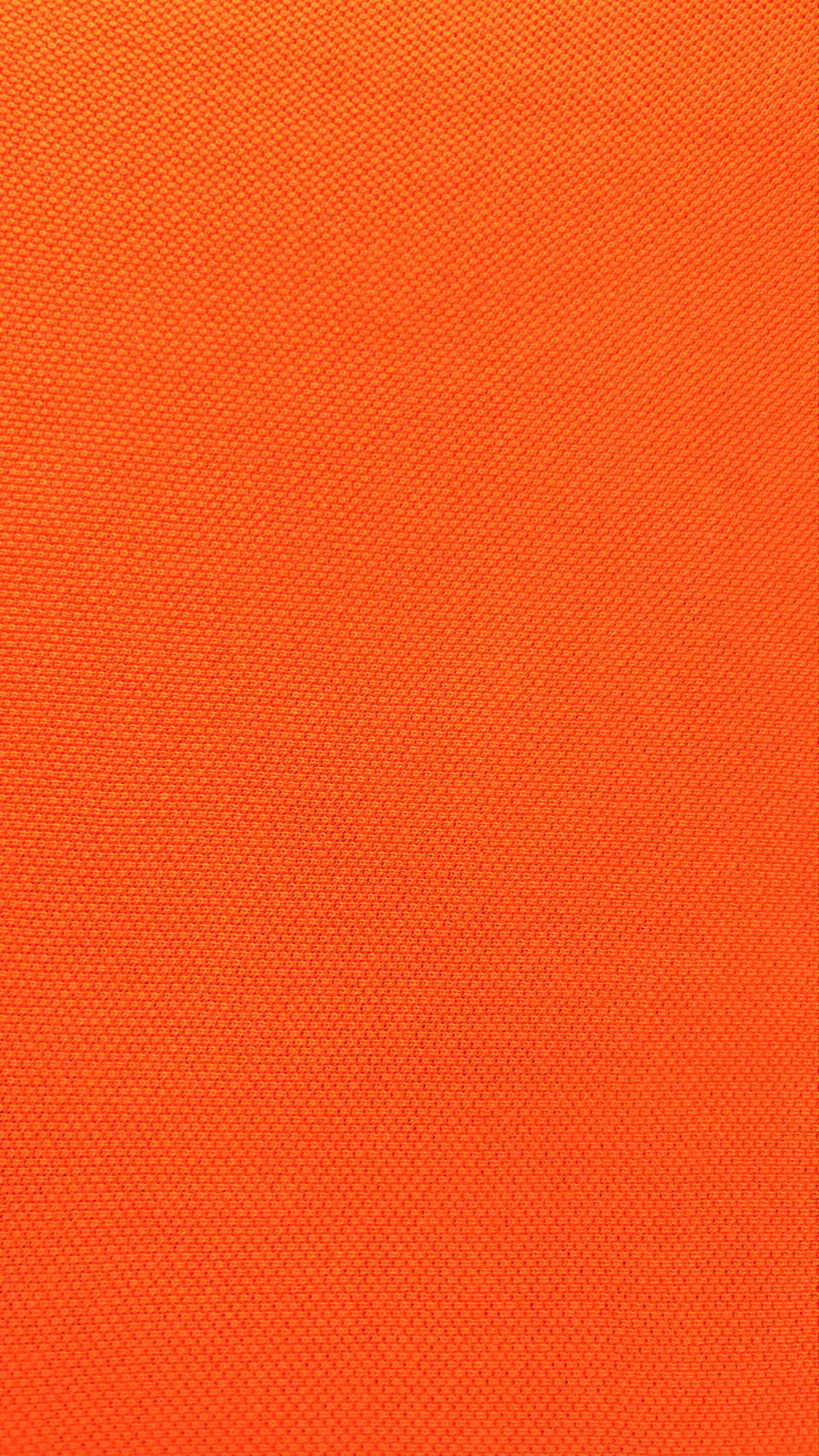
The house knit in a vermilion, between the orange and the red
003

Polo knit

Cotton and polyester blend · 180 gsm

House polos and games kit. Open structure, dries fast in humidity.

The house knit in a red
004

Workwear cloth

Cotton and polyester blend · 260 gsm

Coats, coveralls and facilities workwear. Heavy, honest, repairable.
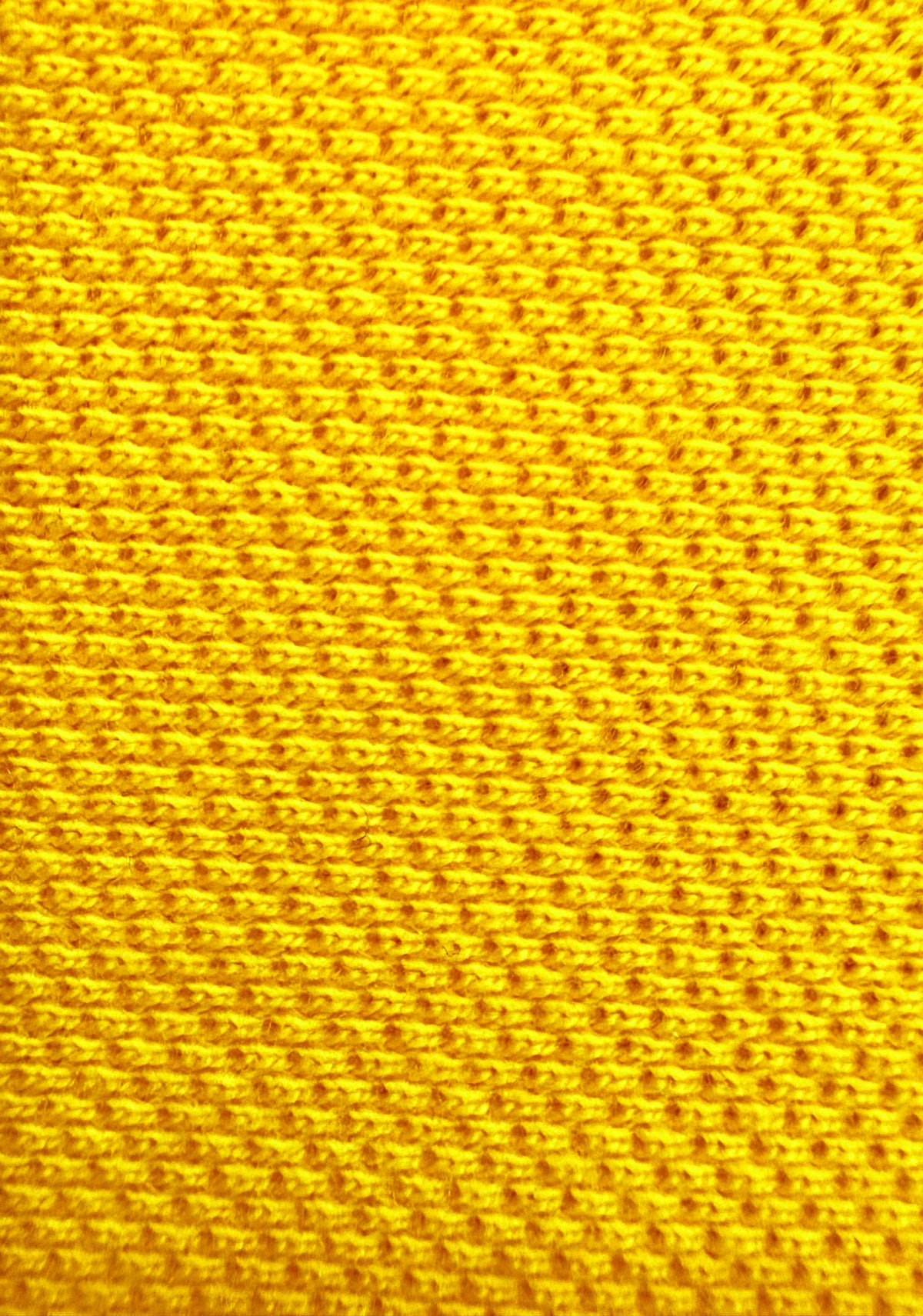
A heavier gold knit, the honeycomb standing off the cloth
005

Indigo cloth

Cotton and polyester blend · 280 gsm

Wrap skirts and indigo school trousers. Wears in rather than out.
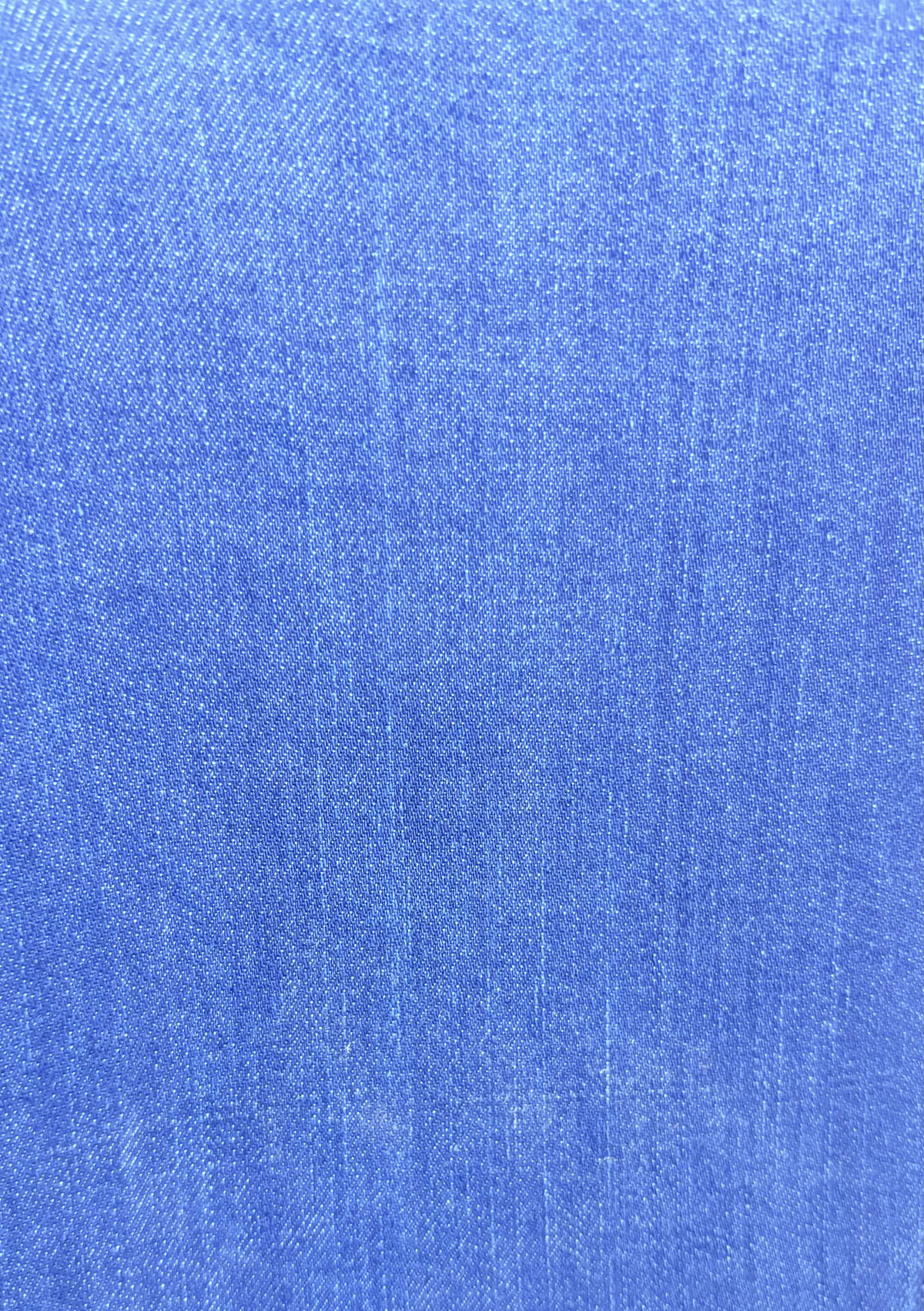
The indigo cloth, its blue warp crossed by a white weft

Before you sign anything

Judge a cloth in your hand

You do not need a laboratory to tell a good cloth from a cheap one. Take any swatch — ours or anyone else’s — and run these three. They take a minute, and they are hard to fake.

  1. 01
    Hold it to the light
    A cloth that glows evenly is spun evenly. Thin patches and thick slubs are where a shirt goes first.
  2. 02
    Crush it in your fist
    Count to five, then open your hand. A good uniform cloth drops most of the creases on its own — the rest go under an iron, not a tailor.
  3. 03
    Rub it against itself
    Twenty strokes, hard. Fibre that balls up on a swatch will ball up on a collar by October.
Swatch books and shade cards on the table, before a cloth is agreed

Before a garment is cut

What we test the cloth for

Shrinkage
Washed and measured to the cycle a school or a hotel actually runs, not a gentle one.
Colour fastness
Sun, sweat and detergent. House colours are matched to a physical lab dip.
Tensile strength
Seams and knees, tested where a day pulls hardest.
Pilling
Knits rubbed to a cycle count before a single garment is cut.

Choose the cloth, then choose the cut. Both racks are built from the same six fabrics.

Order the swatch book

Physical swatches of every cloth on the index, with weight, weave and the shade range each is dyed to. Posted free to schools and workplaces considering a season change.

Request the swatch book